The furnace fires, runs a few minutes, shuts down, and fires again, over and over, while the house never quite warms. Short cycling is a symptom with a specific cause, and that cause can be found.
Short cycling in a Manassas furnace means the system shuts down before finishing a normal heating cycle, then restarts a few minutes later. The usual causes are restricted airflow overheating the furnace, a flame sensor losing its signal, a thermostat reading warmth that is not really in the room, or equipment oversized for the home. Short cycling wears out igniters and controls fast, so call (703) 962-7410 if your cycles shrink to a few minutes at a time.
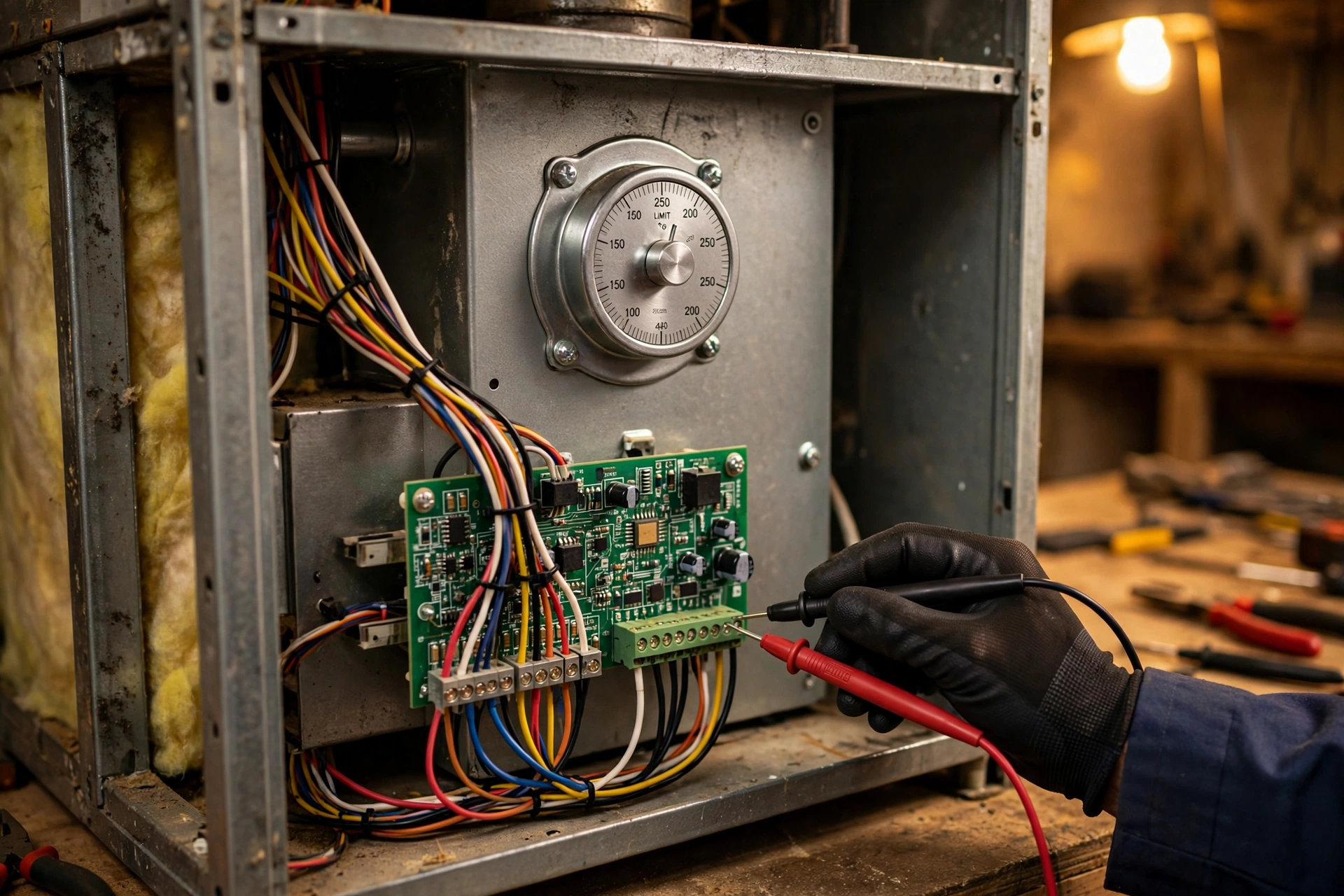
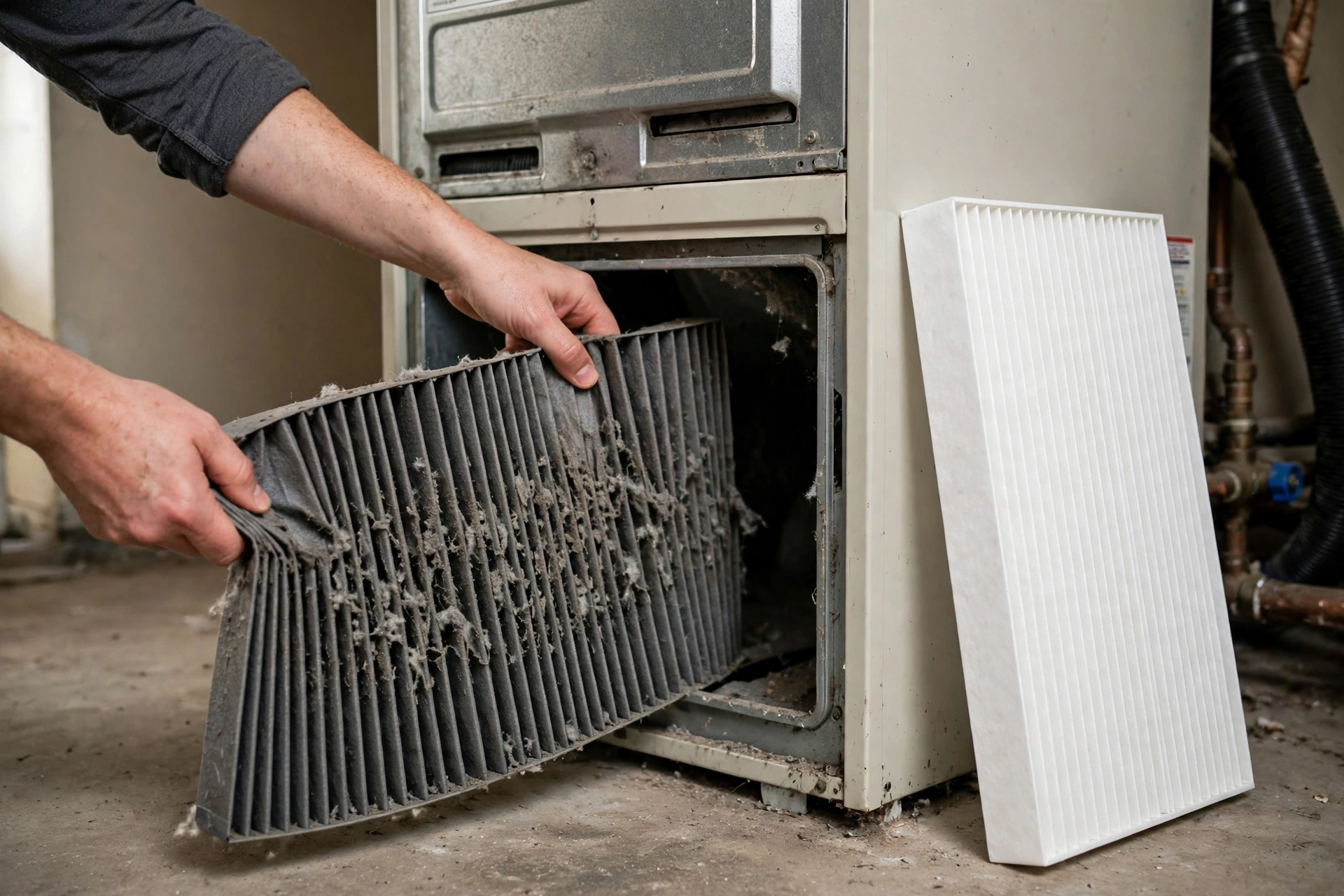
The most common short cycling story is overheating. A furnace is designed to move a certain amount of air across its heat exchanger. Choke that airflow with a clogged filter, closed supply vents, blocked returns, or a weakening blower, and the inside of the furnace gets hotter than it should. The limit switch, doing exactly its job, shuts the burners down. The cabinet cools, the switch resets, the thermostat is still calling, and the whole sequence repeats. The house gets lukewarm air in bursts and the furnace takes a beating.
A second pattern lives in the flame sensing circuit. The flame sensor proves to the control board that the burners are truly lit. As the sensor rod coats with oxidation over seasons of use, its signal fades. Burners light, the board loses proof of flame a few seconds later, and it shuts the gas off for safety. Minutes later the system tries again. This pattern often presents as three attempts and a lockout, and it is one of the most fixable faults in the entire furnace.
The third family of causes never touches the furnace at all. A thermostat mounted where cooking heat, sunlight, or a nearby supply vent reaches it will satisfy itself while the far rooms stay cold, ending cycles early. Oversized equipment creates the same rhythm from the other direction: a furnace with far more capacity than the house needs blasts the area around the thermostat to temperature in minutes, shuts off, and repeats as that pocket of air cools. The furnace tests fine; the match between equipment and house is the problem.
Short cycling leaves evidence you can gather safely from outside the cabinet. A few minutes of observation sharpens the diagnosis considerably.
Short cycling is the furnace protecting itself, so do not defeat the protection. Never bypass a limit switch, never tape a sensor, and do not keep resetting a system that locks out. If shutdowns arrive with a burning smell, loud bangs, or a sounding carbon monoxide detector, switch the system off entirely and call for help instead of troubleshooting further.
Short cycling turns urgent when the cycles grow so short that the house steadily cools despite the furnace trying all day, or when shutdowns come with bangs, burning smells, or a carbon monoxide alarm. A furnace that cannot finish a cycle on a freezing Manassas night is a no heat problem wearing a disguise. Call (703) 962-7410 at any hour and describe the rhythm you timed.
We measure what the cycle is doing rather than guessing from its rhythm. Temperature rise across the heat exchanger tells us whether the furnace is overheating and by how much. The flame sensor signal, read in microamps while the burners run, shows whether the board is losing its proof of flame. Static pressure readings expose duct restrictions that no visual check would catch. Three numbers, and the family of causes narrows to the right one.
From there the repair matches the finding. Flame sensing and ignition faults are corrected on gas furnace repair visits. Airflow restrictions are solved at the ducts and blower, often as ductwork repair. A furnace that has been cycling for a while also earns a full furnace maintenance visit, because months of hard starts wear igniters, sensors, and controls that deserve inspection while we are there.
Success is verified in minutes, literally. We time the repaired furnace through long, complete cycles and confirm the house reaches the thermostat setting without a shutdown. You will know which cause was behind your pattern, what was done about it, and the simple habits, mostly filter discipline and open vents, that keep it from returning.
Rhythm questions from homes where the furnace cannot settle.
Describe what your furnace is doing and we will point you to the right next step.
Call (703) 962-7410In cold weather a healthy cycle usually runs ten minutes or more, and a furnace should not need to start many times an hour. Burners that quit after two to five minutes, rest briefly, and fire again, hour after hour, are short cycling by any definition, especially when the house never reaches the set temperature.
Yes, and it is one of the few causes that no repair to the furnace itself can cure. Oversized equipment heats the air near the thermostat very quickly, satisfies the call, and shuts down before the rest of the house catches up. Confirming it takes load and duct measurements, and the honest options get discussed from there.
Cold days force the longest run times, and long runs are when marginal airflow finally overheats the cabinet enough to trip the limit switch. On mild days the cycles end before the limit is reached, so the fault hides. That pattern points the diagnosis squarely at filters, vents, blower strength, and duct restriction.
It can. Sunlight through a window, a lamp, a television, or the warmth of a nearby kitchen can convince the thermostat the house is warmer than the bedrooms actually are. The furnace obeys and stops early. Relocating the thermostat or removing the heat influence solves a problem that looks, from the couch, exactly like furnace failure.
Considerably. Igniters, gas valves, inducer motors, and control relays all endure their hardest moments during starts, not steady runs. A furnace starting forty times a day ages its ignition parts far faster than one starting six times. That is why a cycling pattern deserves prompt attention even while the house still feels mostly warm.
Cycles that end in seconds deliver air that never had time to warm.
Clicks and restarts have a sound, and so does the fault underneath them.
Flame sensors, limit switches, and ignition faults tested in sequence.
When the cycling stops heating the house entirely, it is a no heat call.
Your furnace is asking for help in Morse code. Call and tell us the rhythm you timed.
Call (703) 962-7410