
The Part That Failed Drives Cost
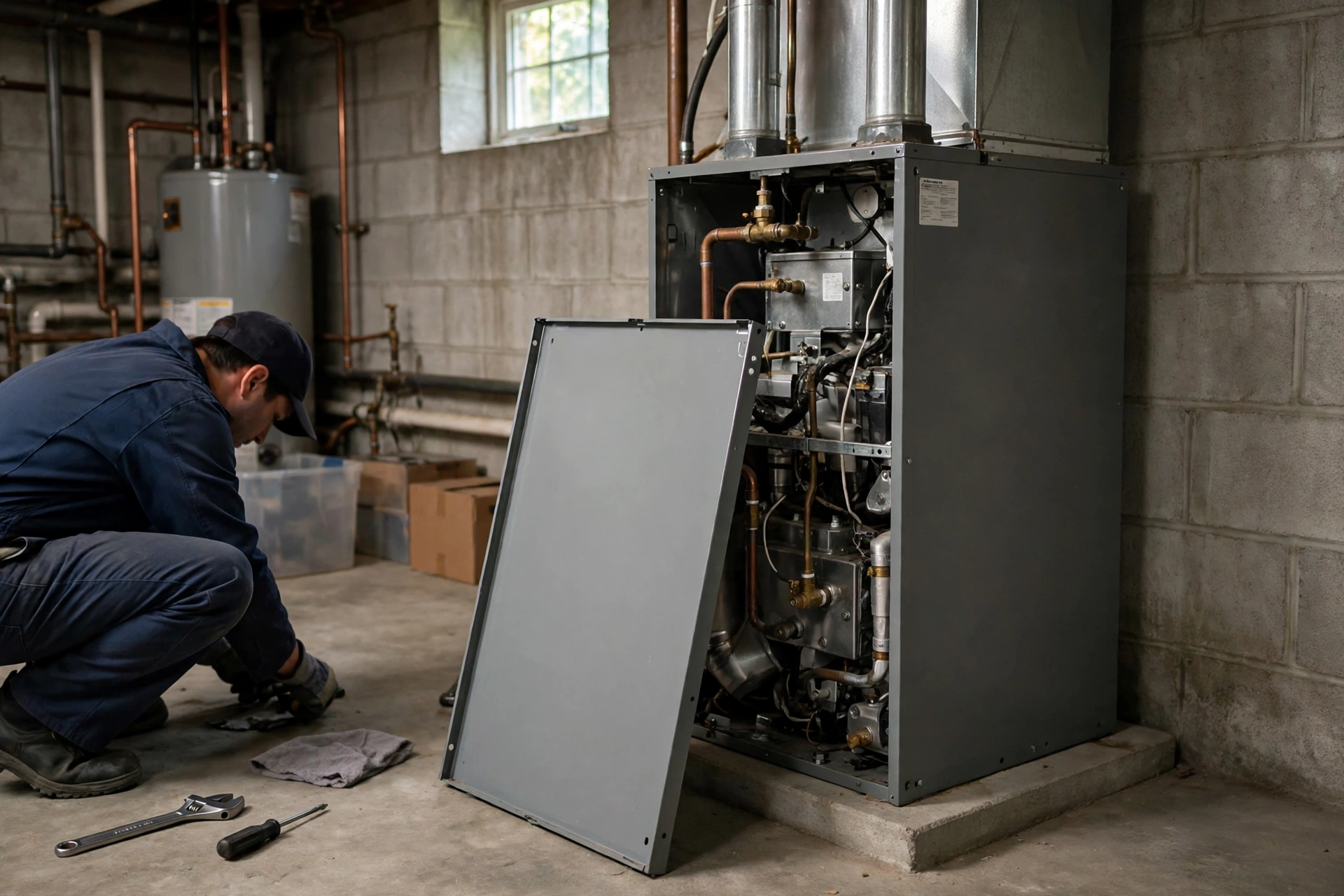
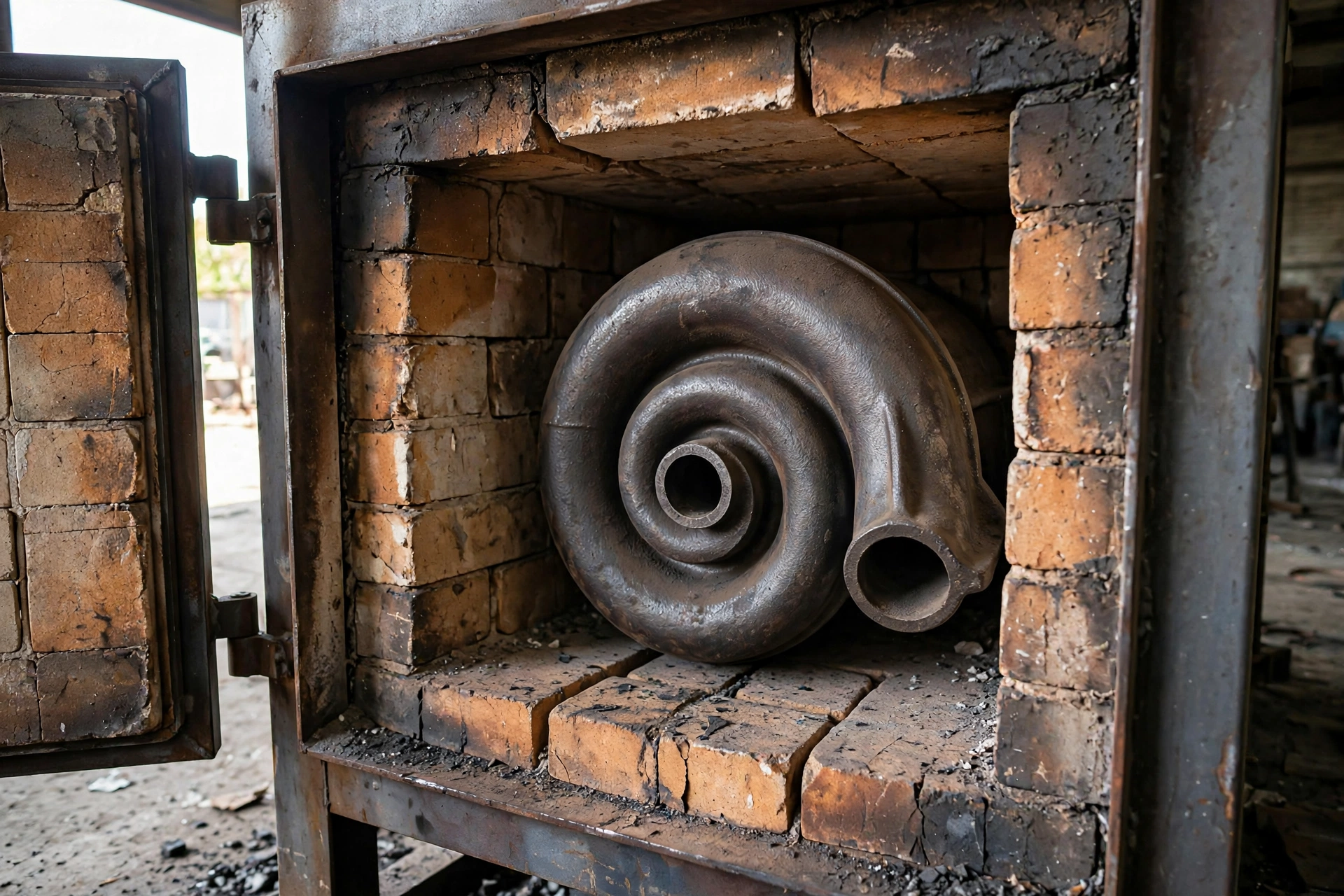
The single biggest factor in any furnace repair is which component failed. A flame sensor, an igniter, or a pressure switch sits at the simpler end of the range of parts. Motors, control boards, gas valves, and heat exchangers sit at the other end, because the parts themselves are more involved and the work around them takes longer and demands more testing afterward.
Two no heat calls that sound identical on the phone can land in very different places once the cabinet is open. That is why a responsible estimate follows a diagnosis rather than a description. When you talk with a Manassas technician, ask which part failed, what the part does, and how the failure was confirmed. A clear answer to those three questions tells you more about the fairness of a quote than any number quoted sight unseen ever could. Availability plays into this as well, because a common part carried on the truck is a different job from a model specific board or motor that must be ordered, shipped, and fitted on a return visit later in the week.
Access And Installation Layout Matter
Where the furnace sits and how it was installed shape the labor side of a repair. A unit in an open basement with clear working room is straightforward. The same repair in a tight closet, a low crawl space, or an attic reached by a pull down ladder takes longer, and some jobs need a second set of hands simply to move parts safely.
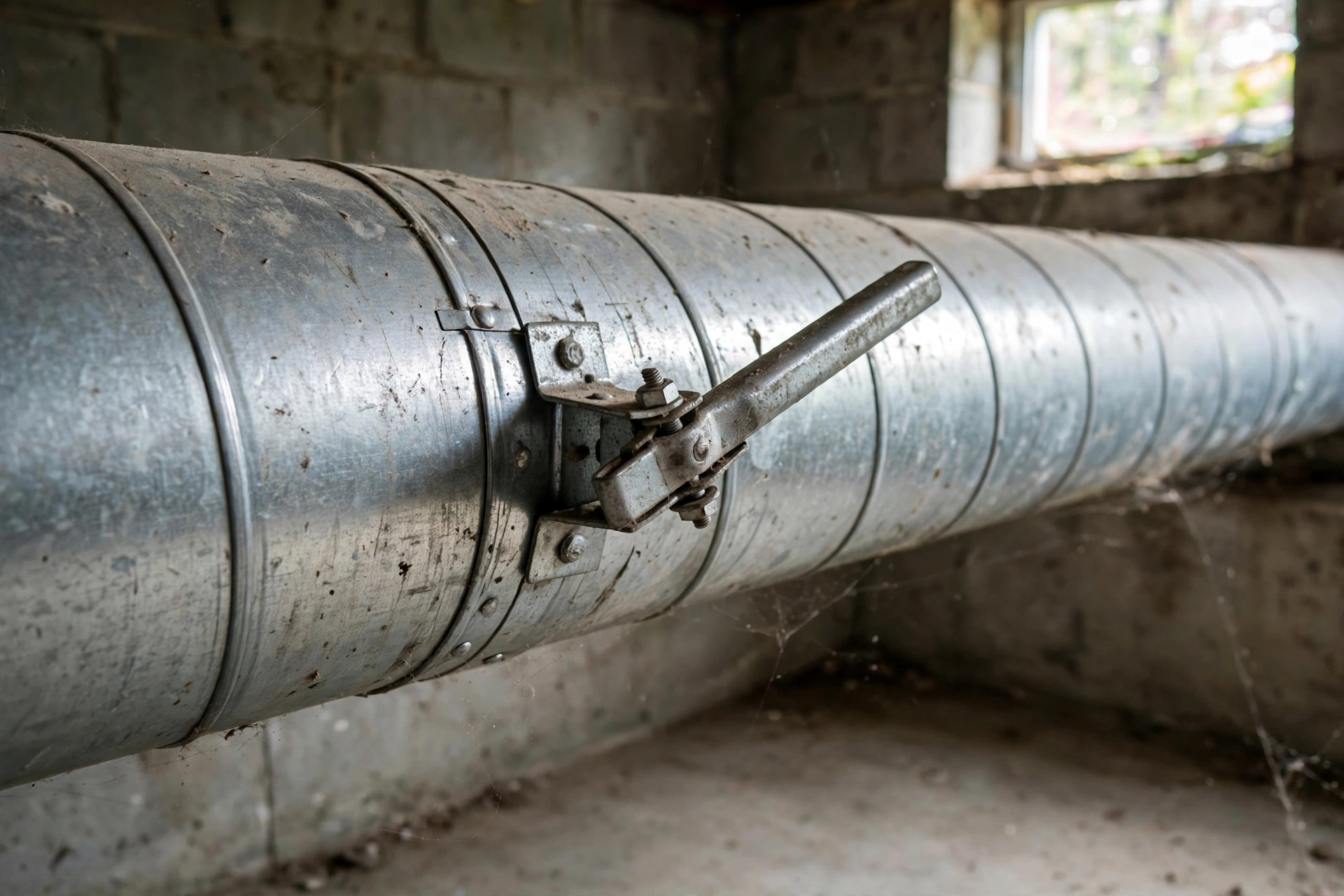
Layout details add up: duct connections that must come apart, a condensate drain routed across the work area, or a water heater sharing a cramped utility corner in a Manassas townhouse. None of that reflects on the homeowner. It reflects the physical reality of the job. When you compare explanations from different companies, ask how access affects the work. A technician who can describe the layout challenge plainly is usually giving you a straighter account of the labor involved. Photographs of the installation, sent ahead when a company asks for them, can help the office send the right crew and parts the first time, which is a small step that prevents a second trip on a surprising number of cramped installations.
Age And Condition Of The System
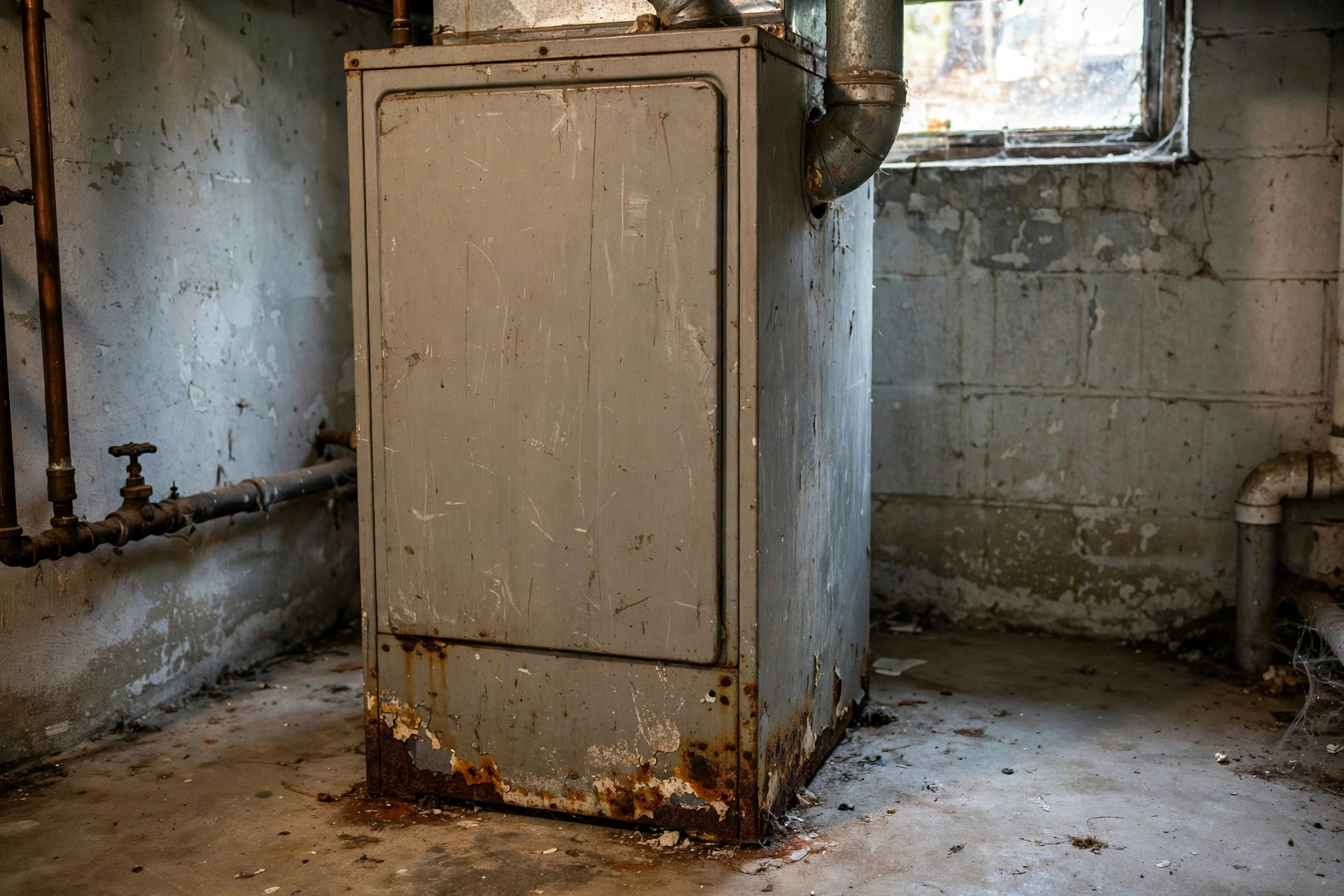
Age changes both the repair itself and the advice around it. On an older furnace, the failed part may not be the only worn part, and removing one component can disturb brittle wiring, rusted fasteners, or a weak igniter that was close to failing anyway. Parts for older models can also take longer to source, which stretches the time a home sits without heat.
Condition matters as much as the calendar. A furnace that has had regular filter changes and cleanings often needs only the failed part addressed. A neglected system may need cleaning and adjustments before a new part can even be tested fairly. Homeowners in Manassas should expect a technician to flag related wear honestly, explain what is urgent versus what can wait, and leave the decision with them rather than folding everything into one take it or leave it figure. Ask for the worn items in writing, ranked by urgency, so a repair today can sit inside a plan for the system rather than becoming the first of several surprise bills spread across a single hard winter of breakdowns.
Timing And Urgency Play A Role
When a furnace fails influences the shape of the repair as well. A breakdown on a mild October afternoon allows time to order a part, weigh options, and schedule the work in normal hours. The same failure during a January cold snap in Northern Virginia, with the house cooling fast and pipes at risk, compresses every decision and can limit which parts are available the same day.
Urgency also affects scope. In an emergency, the goal may be a safe, reliable fix that restores heat, with a fuller conversation about the system condition later. Planning ahead is the strongest counterweight: a furnace that gets attention at the first signs of trouble, before it fails outright, usually gives the homeowner more choices, a calmer timeline, and fewer decisions made while wearing a coat indoors. This is also why two neighbors can face different jobs for similar sounding work in the same month, since one repair was planned on a Tuesday in October and the other began at midnight during the coldest weekend of the year.
How To Read An Estimate Clearly
A clear estimate separates the diagnosis, the part, and the labor, and states what testing is included after the repair. It should name the part being replaced, note whether related cleaning or adjustment is included, and explain what happens if another fault shows up during testing. Vague single line quotes make comparison nearly impossible and hide where the money actually goes.
Ask a few direct questions before you approve work in Manassas: what failed, how was it confirmed, what does this repair not cover, and what would you watch next on a system of this age. Good answers are specific and calm. If a quote was produced without anyone testing the furnace, treat it as a guess. The cost of a repair is set by the part, the access, the condition, and the timing, and only an inspection can weigh all four. Keep the paperwork with your service records after the job, because a clear estimate paired with the final invoice becomes the history you will want when the next decision about this furnace arrives, whether that is next season or years later.
Questions About What Actually Drives Furnace Repair Cost
Why can a company not quote my furnace repair over the phone?
Because the same symptom, such as no heat or cold air, can come from parts that differ widely in cost and labor. A phone figure would be a guess dressed as a quote. A diagnosis confirms the failed part first, and then the estimate can be itemized and explained clearly.
Do older furnaces always cost more to repair?
Not always, but age adds variables. Parts can be harder to source, nearby components may be worn or brittle, and extra care is needed during the work. A well kept older furnace can still take a simple repair, while a neglected newer one may need more attention than expected.
What should a written furnace repair estimate include?
It should name the failed part, separate parts from labor, describe any cleaning or adjustment included, and state what post repair testing will be done. It should also note what the repair does not cover. If any line is unclear, ask for it in plain language before approving the work.
Does the season change what my repair will involve?
The repair itself stays the same, but timing changes availability and urgency. During a Northern Virginia cold snap, same day parts and scheduling are tighter, and decisions happen faster because the house is losing heat. Handling small problems in the fall usually leaves more options and a calmer process.